
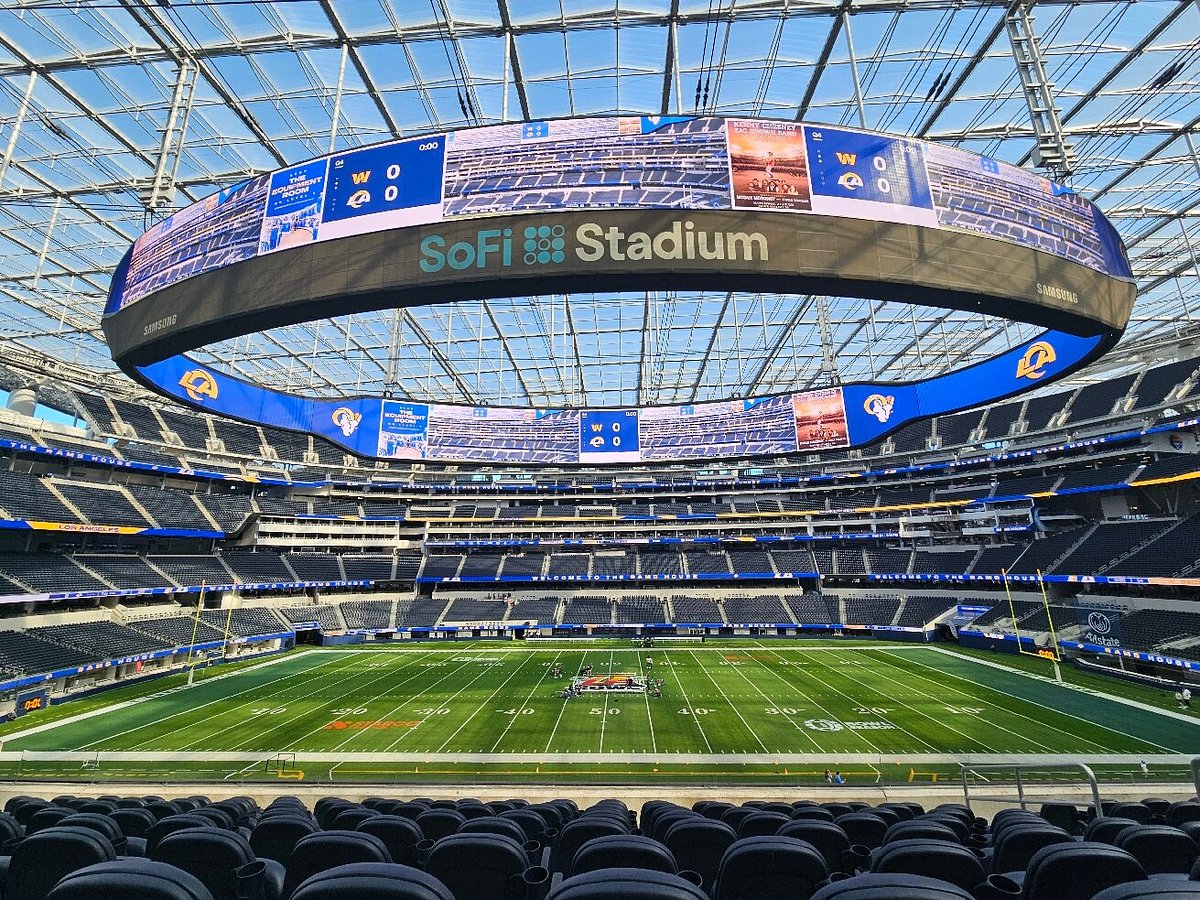
The relationship between fans and sports teams has changed dramatically over the years. Supporters no longer experience games only from stadium seats or television broadcasts. Today, digital platforms, mobile devices, and global media have created new ways for people to follow competitions and interact with their favorite athletes. The growth of professional sports fandom has transformed spectators into active participants in the sporting experience.
Modern supporters expect more than final scores and match highlights. They want behind-the-scenes content, player interviews, live discussions, and opportunities to connect with communities that share similar interests. This demand has encouraged teams and leagues to communicate with audiences in entirely new ways.
From Local Communities to Global Audiences
In previous decades, fans usually supported teams located close to where they lived. Geography played a major role in determining loyalty and identity. Today, international broadcasts and streaming services allow supporters to follow clubs and athletes from almost anywhere in the world.


Social media has made this connection even stronger. Fans can react to major moments instantly and join conversations with people from different countries and cultures.
Merchandise, digital memberships, and exclusive content have also become important parts of the supporter experience. These options help fans feel closer to their favorite teams regardless of distance.
Technology Continues to Shape the Fan Experience in Professional Sports
The rise of professional sports fandom in digital spaces has encouraged organizations to invest heavily in technology. Mobile applications now provide statistics, notifications, ticket management, and personalized content directly to supporters.
Virtual experiences are becoming increasingly popular as well. Interactive broadcasts, augmented reality features, and immersive viewing options continue to change how people consume sporting events.
Younger audiences often discover sports through short videos and social platforms rather than traditional television. This shift has influenced how leagues present content and engage with new generations of supporters.
Community remains one of the strongest elements of modern fandom. Supporters gather online and offline to celebrate victories, discuss performances, and share memorable moments throughout the season.
The growth of international competitions has further expanded audiences. Events that once attracted regional attention now reach millions of viewers across multiple continents.
Professional organizations also recognize the value of fan feedback. Surveys, online interactions, and community engagement programs help teams better understand the expectations of their audiences.
The commercial side of sports has evolved alongside these changes. Sponsorships, partnerships, and digital campaigns increasingly focus on creating meaningful experiences rather than simple advertisements.
The future of professional sports fandom will likely involve even greater personalization and interaction. As technology advances, supporters may enjoy new ways to participate in the excitement of competition.
Although the methods of engagement continue to evolve, the passion that drives fans remains unchanged. The emotional connection between supporters and their teams continues to be one of the most powerful forces in the world of sports.